
QuickBooks Error 6000-83 — Damaged Company File
Let’s Dive in to see…
How to fix QuickBooks Error=6000-83
Damaged Company File
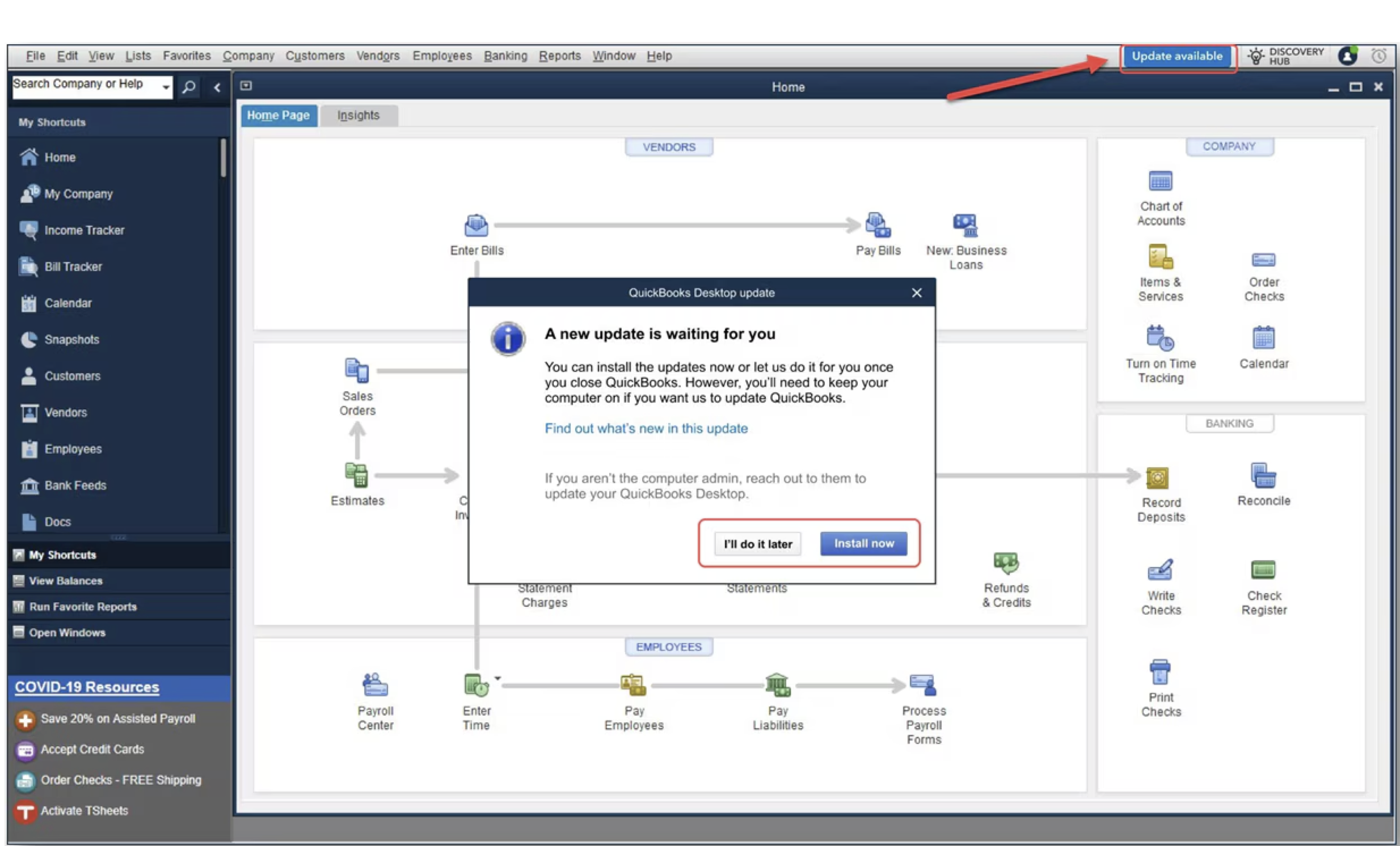
QuickBooks Error 6000,-83 · Damaged Company File
QuickBooks Error 6000-83 — Damaged Company File
QuickBooks displays: "(-6000, -83)" — and the error persists even when the file path is valid and permissions are correct. The path and network are fine, but QB still can't open the file.
When Error 6000-83 persists after confirming the path, permissions, and network are all correct, the company file itself is damaged. At QuickFix Bookkeeping, the -83 sub-code (QB cannot read the file) in this scenario means the file's internal structure is corrupted — QB's file reader encounters invalid data and can't open it. The fix path is data recovery: Verify/Rebuild, File Doctor, restore from backup, or Auto Data Recovery.
Confirm It's Data Damage Before Proceeding
Three checks to confirm data damage (not path/permission/network) before data recovery steps:
(1) Open QB's sample file: File → Open Sample File → if sample opens normally, QB is fine — the company file is the issue.
(2) Copy file to local C: and retry: copy the .QBW to C:\Test\ → try to open it from there as Administrator. If 6000-83 persists on local C:, the file data is damaged (not a path/network issue).
(3) Check QBWin.log: QB → F3 → Tech Help → Open File → QBWin.log → search for "6000" and "LVL_SEVERE" — C= error codes alongside 6000-83 confirm structural data damage.
What Damages a Company File to Cause 6000-83?
Power Loss During Active Write
Common data damage cause — power failure or system crash while QB was writing a transaction left the file's internal B-tree index in a corrupted state. The file exists and has the right size but QB's file reader can't parse the corrupted structure. Rebuild Data addresses most write-interrupted corruption.
Bad Sectors on the Hosting Drive
Hard disk bad sectors corrupted the sectors containing the company file's data. QB can't read the corrupted sectors and reports 6000-83. Running chkdsk /r on the drive reveals bad sectors — but if the company file data was on a bad sector, restoration from backup is usually required.
Network Failure During Write
A network dropout while QB was writing over a network share left the file partially written — the write committed to the server but with incomplete data. The result is internal structural corruption that produces 6000-83 on next open. Rebuild Data repairs many partial-write corruption scenarios.
File Too Large for QB's Internal Limits
Company files that have grown very large (over 200MB) can develop 6000-83 when QB's internal data structures become overloaded. Condensing the file (Utilities → Condense Data) reduces file size and resolves this variant.
Virus or Ransomware Encryption
Ransomware or a virus partially encrypted or corrupted the .QBW file. QB's file reader encounters encrypted/corrupted bytes and can't parse the file. This variant doesn't respond to Rebuild — restore from an off-site backup predating the infection.
Accumulation of Unresolved C= Errors
Many C= data errors that were never repaired accumulate over time until the file's internal consistency falls below QB's minimum threshold for opening. QBWin.log shows multiple LVL_SEVERE C= codes. Running Rebuild Data addresses these if caught early enough.
How to Fix 6000-83 Caused by File Damage
Related QuickBooks Errors
All Backups Damaged and No .adr File?
Let QuickFix Bookkeeping Attempt Specialist Recovery.
When all backups are corrupted and the .adr file isn't available, specialist tools can sometimes extract data directly from the damaged .QBW's readable sectors — we assess feasibility before any irreversible actions.
Book a Free 30-Minute ConsultationNo obligation. Same-day response.