
QuickBooks Error 6000-77 in Multi-User Mode
Let’s Dive in to see…
How to Fix QuickBooks Error 6000-77 in Multi-User Mode
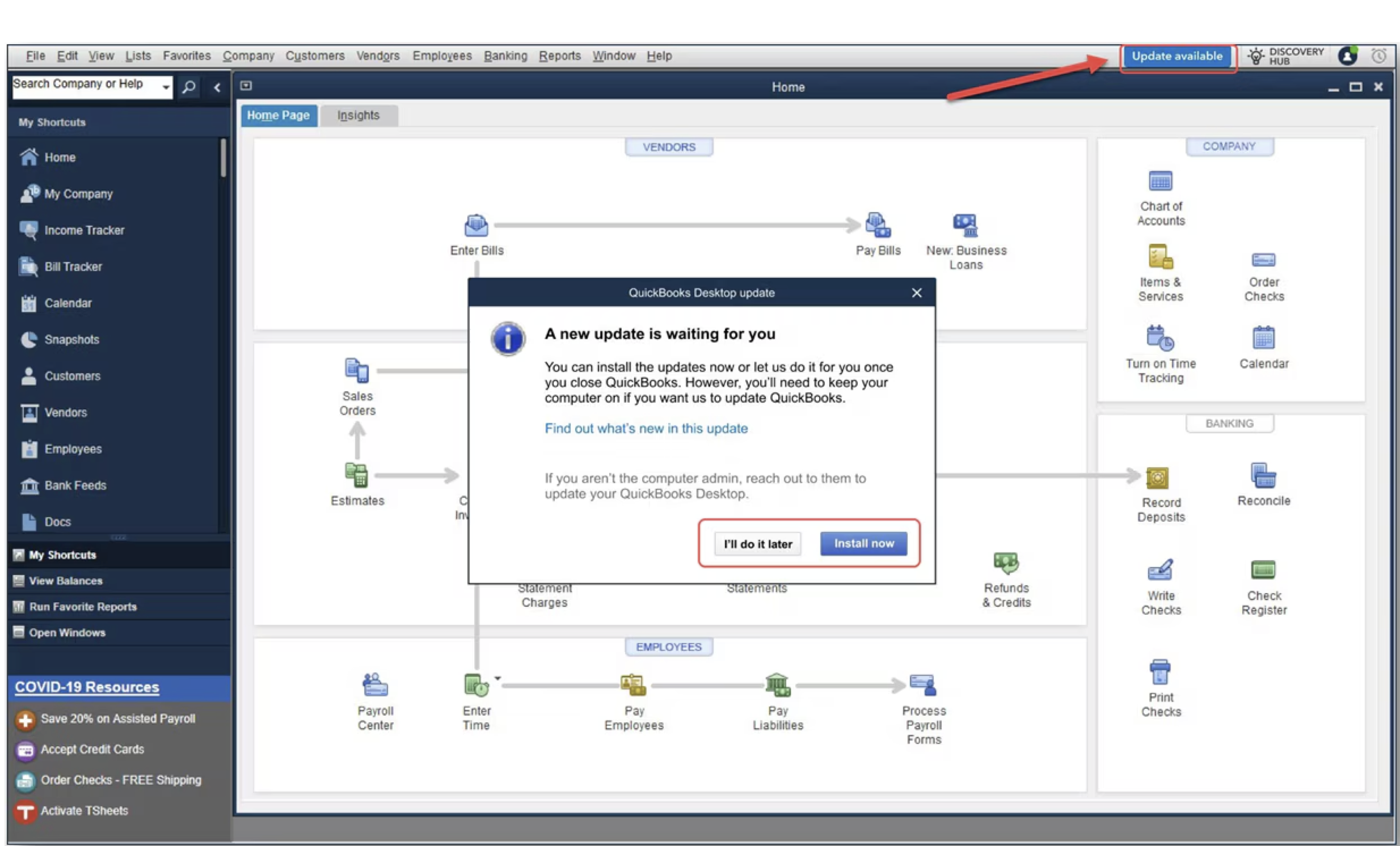
QuickBooks Company File Error · 6000-77 · Multi-User Environment
QuickBooks Error 6000-77 in Multi-User Mode
QuickBooks displays: "An error occurred when QuickBooks tried to access the company file. Error codes: -6000, -77" — specifically when multiple users try to open the file simultaneously or when the server configuration changes.
The -77 sub-code means QB cannot access the company file over the network. In multi-user environments, this typically means the server's company file path became invalid, a hosting workstation appeared unexpectedly, or QBDSM lost track of the file while users were connected. At QuickFix Bookkeeping, multi-user 6000-77 is handled differently from single-user 6000-77 — the diagnosis starts with the server and works outward to workstations.
Multi-User 6000-77 — Server-First Diagnostic Sequence
Always diagnose from the server outward — never from the workstation in. (1) Can the server open the file locally? Open QB on the server → try to open the company file directly. If it opens: the file and path are fine — the problem is in network delivery (QBDSM, firewall, workstation hosting). If it doesn't open: the problem is the file path or the file itself on the server. (2) Is QBDSM running and scanning the correct folder? Open QBDSM on the server → Scan Folders → confirm the company file folder is listed and scanned. (3) Is any workstation hosting? On every workstation: QB → File → Utilities → if "Stop Hosting Multi-User Access" shows → click it. Only the server should host.
What Causes Error 6000-77 in Multi-User Mode?
Workstation Accidentally Hosting
Most common multi-user 6000-77 cause — a workstation has "Host Multi-User Access" enabled. This creates a conflict: the server and workstation are both trying to serve the file, QBDSM gets confused, and 6000-77 appears for other users. Turn off hosting on all workstations: QB → File → Utilities → Stop Hosting Multi-User Access.
QBDSM Not Scanning After Server Restart
After the server restarts, QBDSM starts automatically but doesn't always immediately rescan the company file folder. Users try to connect before QBDSM has fully initialised and get 6000-77. Wait 2–3 minutes after server startup, or manually trigger a QBDSM rescan on the server.
Company File Moved on Server While Users Connected
The company file was moved to a different folder on the server while users were connected. QBDSM's scanned path no longer matches the file's new location. Open QBDSM → Scan Folders → add the new folder → rescan. Workstations connecting via the old path also need updating.
Server Name or IP Changed
The server's hostname or IP address changed (from a DHCP lease renewal, server rename, or domain change). Workstations' stored paths to the server are now wrong and QB can't locate the file, reporting 6000-77. Update the server's IP to a static address and update workstation connections.
Firewall Updated on Server
A Windows Update or security software update on the server changed firewall rules and is now blocking QB's ports (8019, 56728, 55378–55382). QBDSM can't communicate with workstations and 6000-77 appears. Run QBDSM → Scan Folders to re-open the required ports automatically.
Corrupted .ND File After Multi-User Session
The .ND file was corrupted during an active multi-user session (network hiccup during a QBDSM write). All subsequent workstation connections fail with 6000-77 because they're reading incorrect server information from the .ND. Rename the .ND and QBDSM rebuilds it correctly.
How to Fix Error 6000-77 in Multi-User Mode
Related QuickBooks Errors
Error 6000-77 in Multi-User After Fixing Hosting and Running File Doctor?
Let QuickFix Bookkeeping Restore Your Multi-User Access.
Persistent 6000-77 in multi-user after fixing hosting and QBDSM usually means the server's static IP changed or a security product is blocking QBDSM's ports at the server level — we diagnose the specific block and resolve it.
Book a Free 30-Minute ConsultationNo obligation. Same-day response.