
QuickBooks Error 12057
Let’s Dive in to see…
How to Fix QuickBooks Error=12057
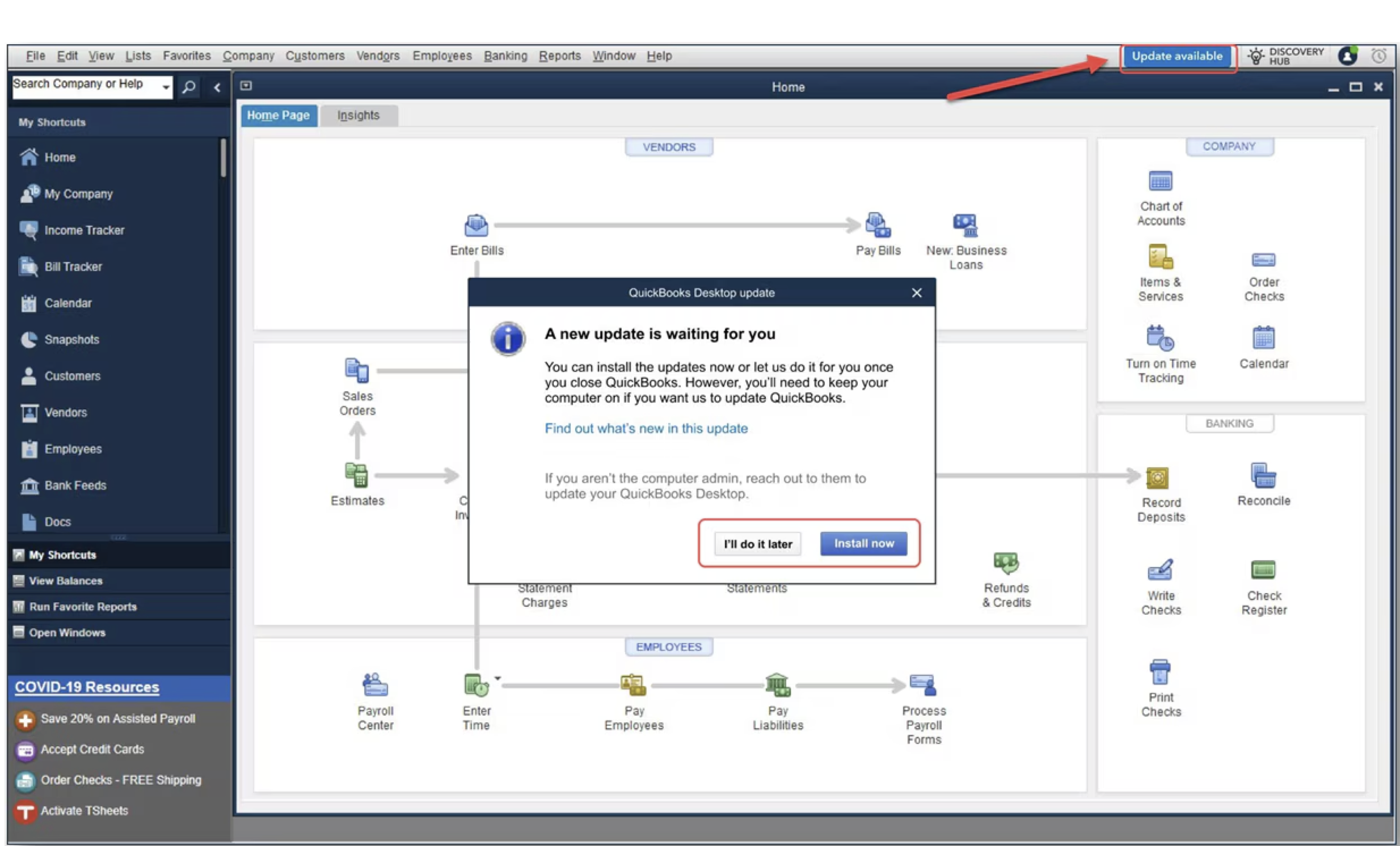
QuickBooks Update Error · 12xxx Series
How to Fix QuickBooks Error 12057
QuickBooks displays: "Communication with Intuit Server: Failed to initialize. Error 12057 in HttpSendRequestW()" or "QuickBooks update error 12057: A security certificate cannot be validated"
Error 12057 is an SSL certificate validation failure — QB reaches Intuit's servers but cannot verify the SSL security certificate. At QuickFix Bookkeeping, the specific fix is enabling SSL 2.0 and SSL 3.0 in Internet Connection Setup: QB → Help → Internet Connection Setup → Advanced Settings → check Use SSL 2.0 and Use SSL 3.0. This is distinct from other 12xxx errors where QB can't reach the server at all.
The QuickFix Bookkeeping Distinction — 12057 vs 12029 vs 12031
All three are 12xxx internet connectivity errors, but they fail at different points. The correct fix depends on identifying which stage is failing.
12057 — this page
QB reaches Intuit's servers but SSL certificate validation fails. Fix: enable SSL 2.0/3.0 in QB Internet Connection Setup. Message mentions "HttpSendRequestW" or "certificate cannot be validated."
12029
Network timeout — QB can't reach the server at all. Fix: check internet connectivity, firewall ports 80/443, proxy settings. No connection established.
12031
Connection established then dropped. Fix: check internet stability, reset IE settings, update QB. Intermittent connection failure rather than certificate issue.
The 12057-specific SSL fix in QB: QB → Help → Internet Connection Setup → Use my computer's internet connection settings → Next → Advanced Connection Settings → Advanced tab → Security section → check Use SSL 2.0 and Use SSL 3.0 → OK → Done. This enables QB to use the SSL protocols needed to validate Intuit's security certificates. Also check via INETCPL.CPL → Advanced → ensure SSL 2.0 and SSL 3.0 are checked in the Security section.
What Causes QuickBooks Error 12057?
SSL 2.0/3.0 Disabled in Internet Settings
Primary cause — QB uses IE's SSL settings to establish secure connections to Intuit's servers. If SSL 2.0 or 3.0 are unchecked in IE's Advanced settings (which can happen after a Windows update or security policy change), QB can't validate the SSL certificate on Intuit's server and reports 12057. Enabling them directly in QB's Internet Connection Setup resolves this.
Incorrect System Date/Time
Fast-to-check cause — SSL certificate validation checks that the current system time falls within the certificate's validity period. If the system clock is set to the wrong date or time, the certificate appears expired or not yet valid, causing 12057. Correct the clock first — it's the fastest check before any other troubleshooting.
Firewall or Antivirus Blocking Certificate Validation
Corporate firewalls performing SSL inspection can intercept and alter the SSL certificate QB receives from Intuit's servers. QB detects the altered certificate as invalid and reports 12057. Adding *.intuit.com and *.quickbooks.com as SSL bypass exceptions in the firewall resolves this without disabling SSL inspection globally.
Incorrect IE Proxy Configuration
If a proxy server is configured in IE settings and the proxy doesn't handle SSL correctly, certificate validation can fail. QB reads IE's proxy settings for all its connections. Removing an incorrect proxy setting (INETCPL.CPL → Connections → LAN settings → uncheck Use a proxy server) fixes this variant.
Outdated QB Version
Older QB versions may not support the latest SSL/TLS versions that Intuit's servers now require. If Intuit updated their certificate chain to require TLS 1.2 but your QB version doesn't support it, QB reports 12057. Updating QB to the latest release addresses SSL/TLS compatibility.
Insufficient Admin Privileges
QB requires admin rights to access and modify IE security settings needed for SSL certificate validation. Running QB without admin rights can prevent it from completing the SSL handshake with Intuit's servers, producing 12057. Right-click QB → Run as Administrator before attempting the update.
How to Fix QuickBooks Error 12057
Check date/time first (30 seconds), then enable SSL 2.0/3.0 in QB Internet Connection Setup — these two steps resolve most 12057 cases.
Quick Reference
| Situation | Cause | Start with |
|---|---|---|
| 12057 first occurrence | SSL settings or wrong clock | Method 1 — check clock, enable SSL 2.0/3.0 |
| 12057 on office network only | Corporate firewall SSL inspection | Method 3 — add Intuit to Trusted Sites |
| 12057 after Windows update | SSL settings reset by Windows | Method 1 Step 2 — re-enable SSL in QB |
| 12057 persists after SSL fix | TLS compatibility or QB damage | Method 4 — TLS 1.2 Tool + update QB |
Frequently Asked Questions
Related QuickBooks Errors
Error 12057 Persisting After Enabling SSL and Fixing Date/Time?
Let QuickFix Bookkeeping Restore Your QB Updates.
Persistent 12057 after SSL settings and TLS 1.2 Tool typically indicates a corporate firewall performing SSL inspection that intercepts and alters Intuit's certificates.
Book a Free 30-Minute ConsultationNo obligation. Same-day response.