
QuickBooks Error 3371
Let’s Dive in to see…
How to Fix QuickBooks Error=3371
QuickBooks Licensing Error · Entitlement
How to Fix QuickBooks Error 3371
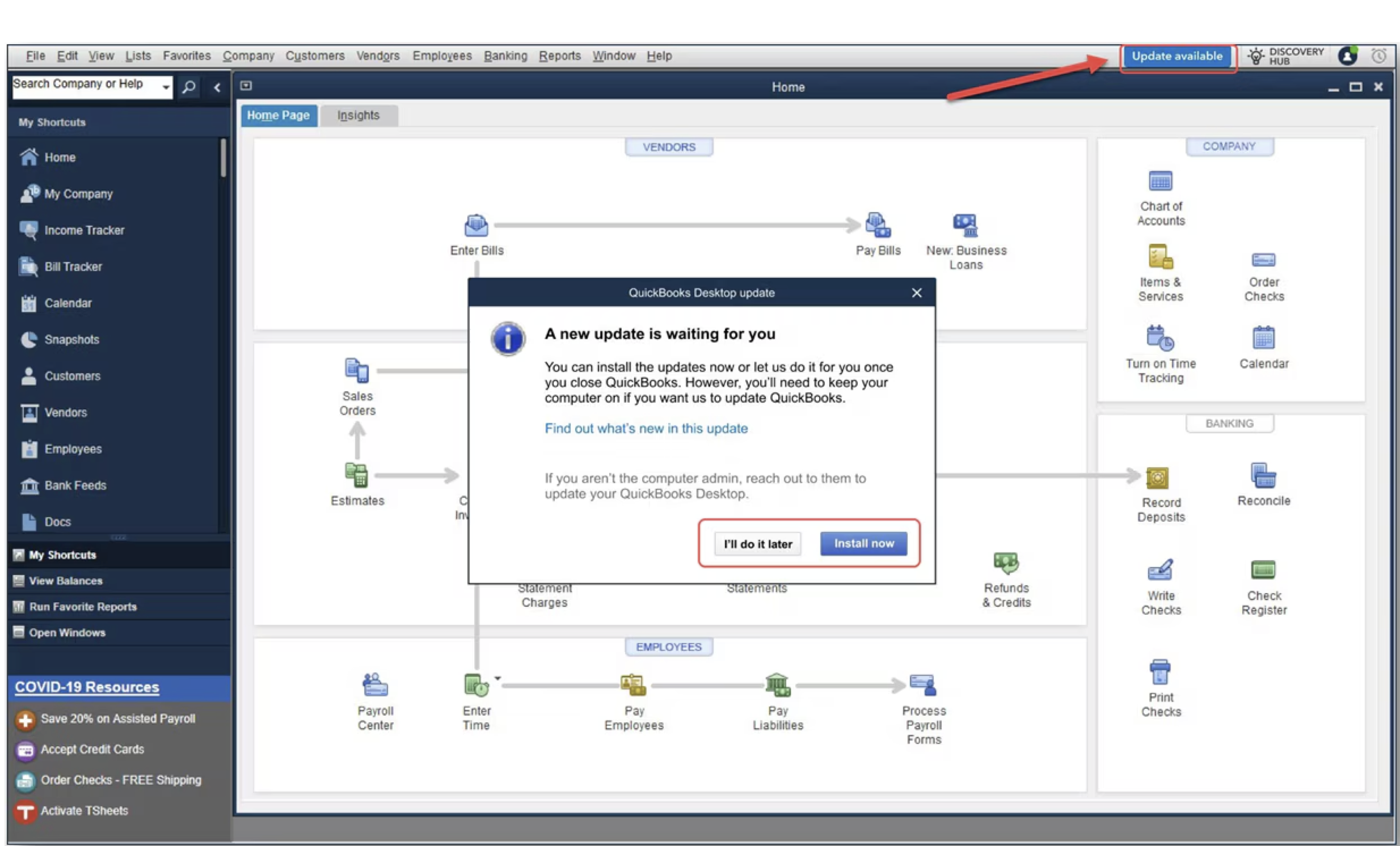
QuickBooks displays: "Error 3371: QuickBooks could not load the license data. This may be caused by missing or damaged files."
Error 3371 means QB cannot read its local EntitlementDataStore.ecml license file. At QuickFix Bookkeeping, the fix is always the same: delete the EntitlementDataStore.ecml file and re-register QB with your license number. QB creates a fresh, valid license file automatically — no reinstall required.
The QuickFix Bookkeeping Distinction — The One File That Causes Error 3371
Every Error 3371 traces back to a single file: EntitlementDataStore.ecml. Understanding what it does and where it lives makes the fix straightforward.
The EntitlementDataStore.ecml file:
Location: C:\ProgramData\Intuit\Entitlement Client\v8\EntitlementDataStore.ecml (or v6 if v8 doesn't exist). This file stores the result of QB's last license verification against Intuit's servers — your product key, expiry, and activation status. When this file is corrupted, missing, or contains data for a different machine, QB can't initialize and reports Error 3371. Deleting it forces QB to create a new one by re-verifying with Intuit's servers. Your company data is unaffected.
3371 vs Subscription Expired: Both involve license/entitlement files, but differ. Error 3371 = the ECML file itself is corrupted or missing — QB can't even read the license data to determine if it's valid or expired. Subscription Expired = the ECML file is readable but contains expired subscription data. Fix for 3371: delete ECML → re-register. Fix for Subscription Expired: renew via CAMPs OR sync license online. If you delete the ECML and QB says "subscription expired" after re-registering, you have a genuine subscription expiry to resolve separately.
What Causes QuickBooks Error 3371?
Corrupted EntitlementDataStore.ecml
Primary cause — the ECML file was corrupted by an abrupt shutdown while QB was writing to it, a disk error, malware, or antivirus activity. QB tries to read the file on startup, finds invalid data, and reports Error 3371. Deleting the file and re-registering QB creates a clean, valid ECML file.
QB Installed But Never Activated
If QB was installed on a machine but the activation step was skipped or failed, the ECML file either doesn't exist or contains incomplete activation data. QB reports 3371 every time it launches because it can't confirm the product is licensed. Registering QB with the license and product numbers from the original purchase resolves this.
Company File Opened on Different Machine
The ECML file stores machine-specific license data. When a company file is moved to a different machine where QB isn't properly registered, the ECML on the new machine doesn't match the company file's activation expectations. Re-registering QB on the new machine with the original license number resolves this.
ECML File Deleted or Quarantined by Antivirus
Antivirus software can flag the ECML file as potentially unwanted (it's an unusual file type and resides in a system folder) and quarantine or delete it. Without the ECML, QB reports 3371 on every startup. Check the antivirus quarantine log for the ECML file → restore it or exclude the Entitlement Client folder from scanning.
Hardware Change or System Migration
Significant hardware changes (motherboard replacement, OS reinstall, or migration to a new PC via imaging) can invalidate the ECML file because it contains hardware fingerprint data. QB's license is tied to both the product key and the machine's hardware profile. After a major hardware change, QB reports 3371 — re-registering binds the license to the new hardware profile.
Damaged QB Installation
A corrupted QB program installation can fail to write or read the ECML correctly. The QB installer creates or updates the ECML during installation — if the installation was interrupted or damaged, the ECML may be invalid. Running the QB Install Diagnostic Tool or a repair installation addresses this variant.
How to Fix QuickBooks Error 3371
Method 1 resolves virtually all Error 3371 cases. Have your QB license number and product number ready (find them in CAMPs or on the original purchase email).
Quick Reference
| Situation | Cause | Start with |
|---|---|---|
| Any Error 3371 first occurrence | Corrupted ECML file | Method 1 — delete ECML, re-register |
| 3371 after antivirus scan | ECML quarantined by AV | Method 2 — check AV quarantine |
| 3371 after moving QB to new PC | ECML tied to old hardware | Method 1 — delete ECML on new PC, re-register |
| 3371 returns after every fix | Damaged installation or recurring AV issue | Methods 3+4 — repair QB, sync license |
Frequently Asked Questions
Related QuickBooks Errors
Error 3371 Returning After Every ECML Deletion?
Let QuickFix Bookkeeping Restore Your QB Access.
Certified Intuit ProAdvisors — Licensing Specialists
Persistent Error 3371 after ECML deletion and re-registration typically indicates antivirus is repeatedly quarantining the file, or a Windows permissions issue is preventing QB from writing to the Entitlement Client folder.
Book a Free 30-Minute ConsultationNo obligation. Same-day response. QB access restored fast.