
QuickBooks Error 6000, 816
Let’s Dive in to see…
How to Fix QuickBooks Error=6000, 816
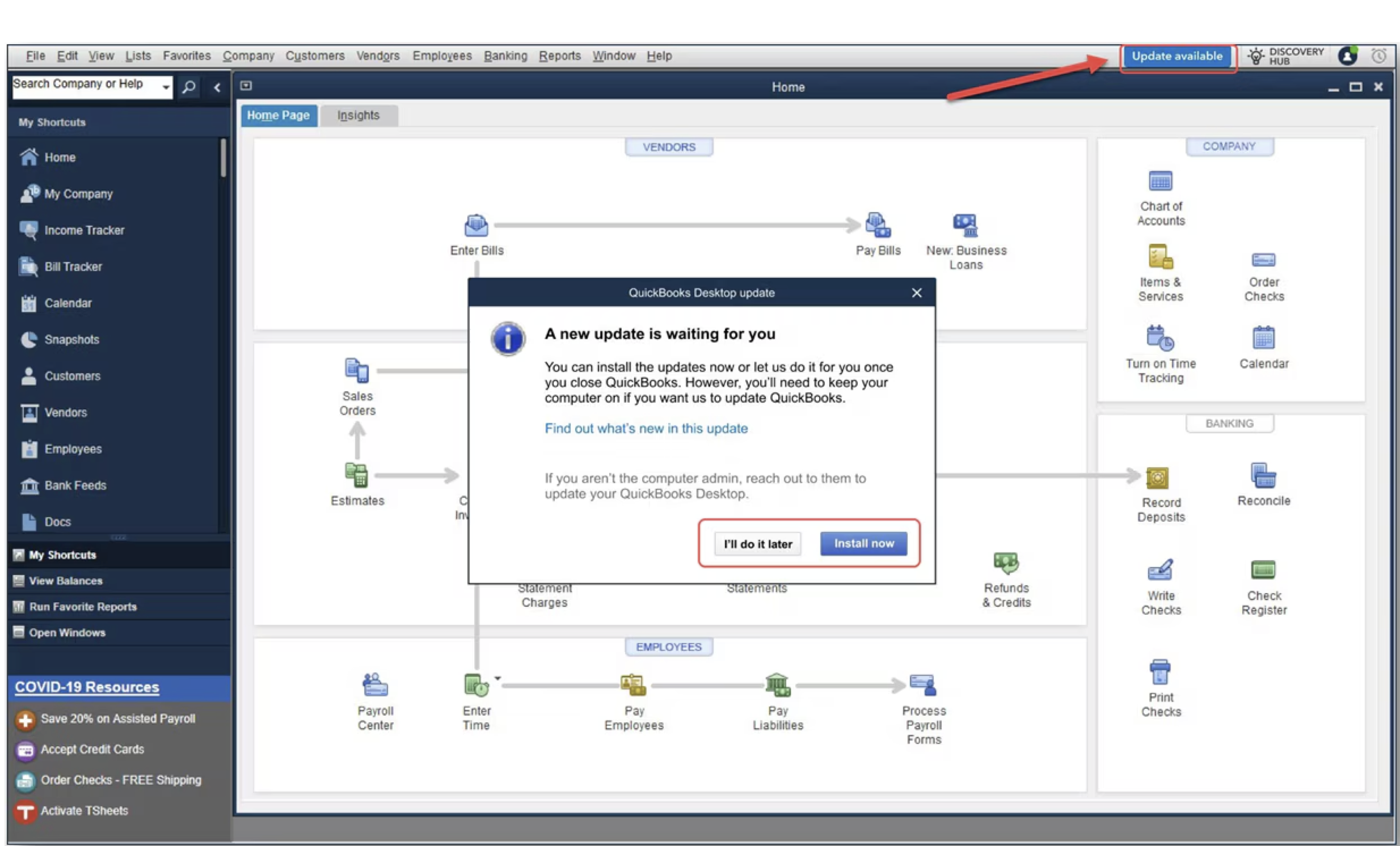
QuickBooks Company File Error · 6000 Series
How to Fix QuickBooks Error 6000, 816
QuickBooks displays: "An error occurred when QuickBooks tried to access the company file (-6000, -816)"
The -816 sub-code via the 6000 parent error specifically indicates the company file (.QBW) is locked by a third-party backup or security application. At QuickFix Bookkeeping, this is distinct from 6189-816 (hosting configuration) and 6190-816 (TLG mismatch): the network and files are fine, but another program has the .QBW file open and is preventing QB from accessing it.
The QuickFix Bookkeeping Distinction — What -816 Means in the 6000 Context
The -816 sub-code on its own means "file is in use." When attached to the 6000 parent, the locking program is almost always a third-party backup, endpoint security, or antivirus application.
Known applications that trigger 6000-816
Acronis True Image, Symantec Backup Exec, CarbonBlack endpoint protection, Veeam, Windows Server Backup when backing up an active share, Carbonite with real-time file scanning, and any antivirus with real-time scanning set to scan .QBW files in the company file folder.
Platform-specific triggers
Windows Home Server with multiple hard disks (multi-drive storage pools can lock files during indexing). Windows Vista (specific SMB file-locking behavior). Any NAS device with indexing or snapshot enabled on the QB share folder.
The diagnostic test: Close QB → check Task Manager (Ctrl+Shift+Esc) → Details tab → look for any backup, antivirus, or security process that is running. Close or pause it → retry opening the company file. If the file opens immediately after closing the backup program — that program is confirmed as the cause. Long-term fix: configure the backup software to exclude .QBW, .QBB, and .ND files from real-time scanning and add an exception to only back up these files when QB is not running.
What Causes QuickBooks Error 6000, 816?
Backup Software Locking the .QBW File
Primary cause — backup applications (Acronis, Symantec Backup Exec, Veeam) hold the .QBW file open to create a consistent backup image. QB tries to open the same file and finds it exclusively locked. The backup program won't release the lock until its backup job completes. Fix: configure backup software to exclude .QBW during QB operation hours or schedule backups during non-QB hours.
Antivirus Real-Time Scanning the .QBW
Endpoint security and antivirus programs with real-time file scanning open the .QBW for inspection when QB tries to access it. Some security tools hold the file open for longer than QB's timeout threshold, triggering 6000-816. Fix: add the QB company file folder and all .QBW, .QBB, .ND, and .TLG files to the antivirus exclusion list.
Windows Home Server Multi-Drive Configuration
Windows Home Server with multiple physical drives uses a storage pool that can lock files during rebalancing or indexing operations. The .QBW file becomes temporarily unavailable to QB while WHS is performing storage operations. Fix: store the company file on a single-drive share rather than a pooled drive, or use Windows Server Standard instead of Home Server.
NAS Device with Indexing or Snapshot Enabled
NAS devices (Synology, QNAP, etc.) running indexing services or creating volume snapshots while QB has the file open can trigger 6000-816. The snapshot process briefly locks the file exclusively. Fix: disable indexing on the QB share folder and schedule NAS snapshots during non-QB operation hours.
Windows Vista SMB File-Locking
Windows Vista introduced stricter SMB (file sharing protocol) behavior that can conflict with how QB and QBDSM lock and release the .QBW file in multi-user mode. Vista's opportunistic locking (oplocks) settings can cause exclusive locks that QB interprets as 6000-816. Fix: adjust oplock settings via the registry or migrate off Vista to a supported OS.
Another QB User Has the File Open (Multi-User)
In some multi-user configurations, the -816 sub-code can appear when one user genuinely has the file open in an exclusive mode or QB's internal locking mechanism conflicts with another session. Verify all active QB sessions (Company → Users → View My QB Users) and have conflicting users close the file before retrying.
How to Fix QuickBooks Error 6000, 816
The fastest diagnostic: close all backup/antivirus programs and retry immediately. If it works — that program is the cause.
Quick Reference
| Situation | Cause | Fix |
|---|---|---|
| 6000-816 appears when backup software runs | Backup job locking .QBW | Methods 1+2 — close backup, add exclusions |
| 6000-816 randomly, no backup visible | Antivirus real-time scan | Method 2 — add QB folder to AV exclusions |
| 6000-816 on Windows Home Server or NAS | Storage indexing or snapshot | Disable indexing on QB share folder |
| Want a cleaner backup strategy | — | Method 3 — use QB built-in backup |
Frequently Asked Questions
Related QuickBooks Errors
Need Help Configuring Backup Software to Work Alongside QuickBooks?
Let QuickFix Bookkeeping Solve It Properly.
Persistent 6000-816 after adding backup exclusions typically means the backup application is using a low-level VSS driver that bypasses standard exclusions — we can identify the exact process and configure a permanent coexistence setup.
Book a Free 30-Minute ConsultationNo obligation. Same-day response.