
QuickBooks Error 6000, 107
Let’s Dive in to see…
How to Fix QuickBooks Error=6000, 107
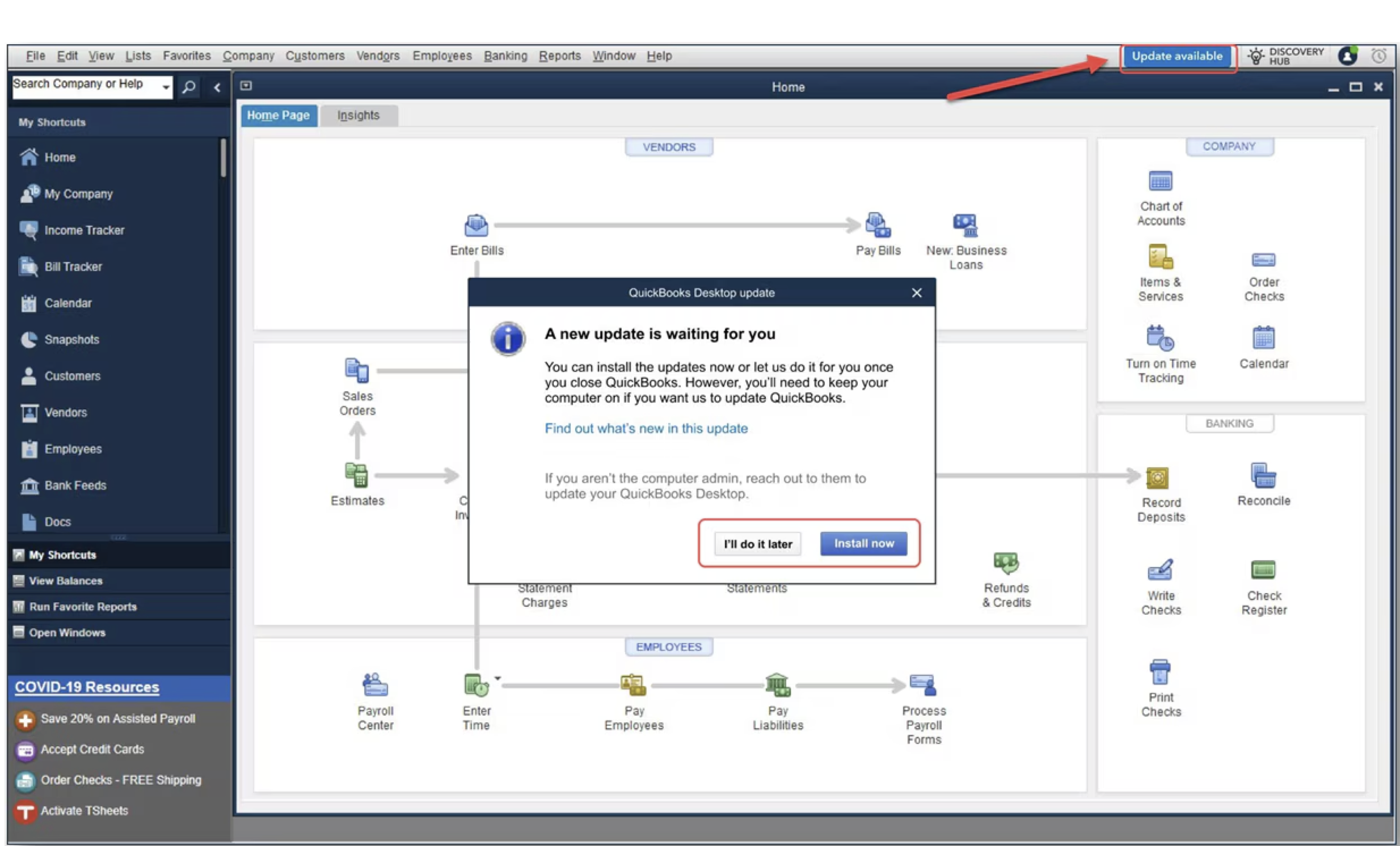
QuickBooks Company File Error · 6000 Series
How to Fix QuickBooks Error 6000, 107
QuickBooks displays: "An error occurred when QuickBooks tried to access the company file. (-6000, -107)"
The -107 sub-code specifically indicates a corrupted or mismatched Transaction Log (.TLG) file. At QuickFix Bookkeeping, -107 is distinct from -80 (file damage), -301 (support files), or -77 (path issues): the .TLG file exists but has become desynced from the .QBW — QB can't reconcile them and cannot open the file.
The QuickFix Bookkeeping Distinction — What -107 Means vs Other 6000 Sub-Codes
The -107 sub-code is specifically about the Transaction Log file. Applying fixes for other sub-codes wastes time — the .TLG is the direct target.
-107 — this page
Corrupted or desynced .TLG transaction log file. The .TLG doesn't match the .QBW. Fix: rename .TLG to .OLD + QBDSM scan.
-80
Company file data damage or multiple hosting. Fix: File Doctor, rename .ND and .TLG, fix hosting. Broader than -107.
-301
TLG + ND + DSN all damaged. Includes encryption software cause. Fix: rename all three + check encryption.
What the .TLG file is and why -107 happens: The Transaction Log (.TLG) file is QB's journal of every write operation made to the company file. It is used as a recovery mechanism — if QB crashes mid-write, it reads the TLG to undo incomplete transactions. The -107 error appears when the TLG doesn't match the current state of the .QBW — either because the TLG was from a different point in time (after a backup/restore), because the TLG was partially written (from a crash), or because the TLG was somehow replaced by a file with a different date/state. Renaming the TLG forces QB to create a fresh one from the current .QBW state.
What Causes QuickBooks Error 6000, 107?
Desynced or Corrupted .TLG File
Primary cause — the .TLG file doesn't match the current .QBW. After a backup restore, the .QBW is at the backup's point in time but the .TLG may be from a later (newer) state — they are out of sync. QB detects the mismatch and cannot open the file safely. Renaming the .TLG removes the conflicting file and QB creates a new one.
Partial .TLG Write from Crash or Power Failure
If QB or the system crashed while the .TLG was being written — mid-transaction log entry — the TLG ends up in an invalid state. QB reads the partially written data, finds an inconsistency, and reports -107. The partial write cannot be completed, so renaming and rebuilding is required.
.TLG from Different Company File
If a company file was moved, copied, or renamed and the .TLG from the original location was accidentally left or matched up with the wrong .QBW, QB finds a TLG that doesn't belong to the company file it's trying to open. This causes -107. Renaming the mismatched .TLG and letting QB create the correct one resolves it.
Damaged .ND File Alongside the .TLG Issue
When the .ND file is also corrupted, it provides QB with the wrong server/path information for the company file. Combined with a TLG issue, this makes QB report -107 because it can't locate or match the company file with the transaction log. Renaming both .TLG and .ND together resolves this variant.
Company File Moved Without Moving the .TLG
If the .QBW file was moved to a new folder but the .TLG was left behind in the old location, QB looks for the .TLG in the new location, can't find a matching one, and creates a new (empty) .TLG — but if an old .TLG is somehow picked up, the mismatch causes -107. Always move .QBW, .TLG, and .ND together as a set.
Outdated QB Version or Damaged Installation
An outdated QB maintenance release may have a bug in TLG reading that newer releases fix. A damaged QB installation can misread valid TLG data and report -107. Updating QB and running the Install Diagnostic Tool addresses this variant.
How to Fix QuickBooks Error 6000, 107
Start with Method 1 — rename the .TLG file and run a QBDSM scan. This resolves most -107 cases.
Quick Reference
| Your situation | Likely cause | Start with |
|---|---|---|
| Any -107 — first occurrence | Desynced or corrupted .TLG | Method 1 — rename .TLG + .ND + QBDSM scan |
| -107 after restoring from backup | .TLG from newer state doesn't match restored .QBW | Method 1 — rename .TLG immediately after restore |
| -107 after moving the company file | Mismatched .TLG from old location | Method 1 — rename .TLG + QBDSM scan in new folder |
| -107 persists after TLG rename + QBDSM | Underlying file or application damage | Methods 2 + 3 — File Doctor + Verify/Rebuild |
Frequently Asked Questions
Related QuickBooks 6000 Series Errors
Error 6000, 107 Persisting After TLG Rename and QBDSM Scan?
Let QuickFix Bookkeeping Recover Your Company File.
Certified Intuit ProAdvisors — Company File Repair Specialists
Persistent -107 after TLG rename, QBDSM scan, and File Doctor typically indicates deeper .QBW data corruption or a hardware-level disk issue requiring specialist data recovery tools.
Book a Free 30-Minute ConsultationNo obligation. Same-day response. Company file repaired fast.