
How to Install QuickBooks Desktop on a Terminal Server
Let’s Dive in to see…
How to Install QuickBooks Desktop on a Terminal Server
In a growing business environment, hosting QuickBooks Desktop on a Terminal Server (or Remote Desktop Services) is one of the most efficient ways to manage multi-user access. It centralizes your data, simplifies updates, and allows your team to work remotely with high-speed performance.
However, installing QuickBooks in a hosted environment requires a specific set of steps to ensure the database engine functions correctly and your license remains compliant. Here is the QuickFix Bookkeeping guide to a successful Terminal Server deployment.
Pre-Installation Checklist
Before you begin, ensure you have the following ready:
-
The Correct License: Ensure your QuickBooks license supports the number of concurrent users you plan to host.
-
Administrator Access: You must have full administrative rights on the Windows Server.
-
Compatibility: Verify that your Windows Server version is compatible with your specific year of QuickBooks Desktop.
Step 1: Switch to “Install Mode”
You should never install software on a Terminal Server through the standard “Add/Remove Programs” interface while in User Mode. You must put the server into Install Mode to ensure the registry entries are correctly mirrored for all remote users.
- Open the Command Prompt as an Administrator.
-
Type
change user /installand press Enter. - You will receive a message stating, “User session is ready to install applications.”
Step 2: Run the Installation
-
Download the QuickBooks Desktop executable or insert the installation media.
-
Run the installer. When prompted for the installation type, select “Custom and Network Options.”
-
Choose the option: “I will be using QuickBooks Desktop on this computer, AND I will be storing our company file here so it can be shared over our network.” (This installs the full program and the Database Server Manager).
-
Follow the prompts to enter your License and Product numbers.
Step 3: Configure Multi-User Access
For QuickBooks to work in a Terminal Server environment, the Database Server Manager must be configured to scan the folders where your company files are stored.
- Open the QuickBooks Database Server Manager.
- Go to the Scan Folder tab.
-
Click Add Folder and select the location of your
.QBWfiles. -
Click Scan. This creates the Network Descriptor (
.ND) files necessary for multi-user access.
Step 4: Finalize and Switch to “Execute Mode”
Once the installation is complete and you have verified the software opens correctly, you must return the server to its normal operating state.
- Go back to the Command Prompt.
-
Type
change user /executeand press Enter. - This ensures that the server is now ready for remote users to log in and run the application.
Important Best Practices
-
Keep Hosting Off on Workstations: Inside the QuickBooks application on the Terminal Server, ensure that “Host Multi-User Access” is turned ON only for the admin/server session and OFF for individual user sessions to avoid H-series errors.
-
Windows Firewall: Ensure that the QuickBooks executable files (QBDBMgrN.exe, QBW32.exe) are added to the Firewall Exceptions list.
-
Folder Permissions: Ensure all users have “Full Control” over the folder where the company file is hosted.
Expert Support for Your Server Setup
Installing QuickBooks on a Terminal Server can be a technical minefield. If you encounter issues with “H” series errors or PDF printing problems (common in RDP environments), QuickFix Bookkeeping is here to help. We specialize in optimizing QuickBooks for remote environments to ensure zero downtime for your team.
The Power of QuickBooks Desktop: Uncompromised Control.
Ideal for businesses that require robust reporting, multi-user access on a local network, or industry-specific functionalities (e.g., inventory management). We ensure a seamless transfer of your complex data from other systems or older versions of QuickBooks to the latest Desktop platform.
Key Benefits:
-
- Full data transfer including historical data.
- Installation and setup on your local network.
- Custom chart of accounts and item setup.
- Post-migration support and training.
Why Trust QuickFix Bookkeeping With Your Financial Data?
- Expertise: Our team consists of Certified QuickBooks ProAdvisors with years of experience in data migration.
- Security: We use industry-leading security protocols to ensure your sensitive financial data is protected throughout the entire process.
- Personalized Service: We don’t believe in one-size-fits-all solutions. We take the time to understand your unique business needs and recommend the best path forward.
- Peace of Mind: With our meticulous process and ongoing support, you can be confident that your transition will be accurate and hassle-free.
Frequently Asked Questions
Can I install any version of QuickBooks on a Terminal Server?
No. To properly support multiple users in a Terminal Services or Remote Desktop Services (RDS) environment, you should use QuickBooks Desktop Enterprise. While Pro and Premier can sometimes be forced to work, they are not technically supported by Intuit for hosted environments and often encounter performance bottlenecks.
Why do I need to use "Install Mode" via Command Prompt?
Windows Servers manage registry entries differently than standard PCs. By using the change user /install command, you ensure that the QuickBooks configuration and licensing data are correctly mapped to every user profile created on that server. Skipping this step often leads to “license not found” errors for remote users.
Do I need a separate license for every user on the server?
Yes. You must have a valid seat/license for every concurrent user. For example, if you have five employees who need to access QuickBooks at the same time on the Terminal Server, you need a 5-user license.
Why am I getting Error H202 on a Terminal Server?
Even on a single server, H202 can occur if the QuickBooks Database Server Manager isn’t running or if “Hosting” is incorrectly configured. On a Terminal Server, the server itself should have hosting turned ON, but individual user sessions within QuickBooks should have hosting turned OFF.
How do I handle PDF printing issues in a Remote Desktop session?
PDF and printing issues are common in RDP environments. Ensure the QuickBooks PDF Converter is installed on the server and that your RDP client settings are configured to “Redirect Printers.” If problems persist, running the “Print & PDF Repair Tool” from the QuickBooks Tool Hub usually solves it.
Can users share the same Windows login to access QuickBooks?
We strongly advise against this. For security, audit trails, and data integrity, every user should have their own unique Windows credentials and their own unique QuickBooks user login.
Does QuickBooks run faster on a Terminal Server?
Yes, typically. Because the QuickBooks application and the company file reside on the same “machine” (the server), the data doesn’t have to travel across a network cable for every click. This eliminates the latency often seen in traditional workstation-to-server setups.
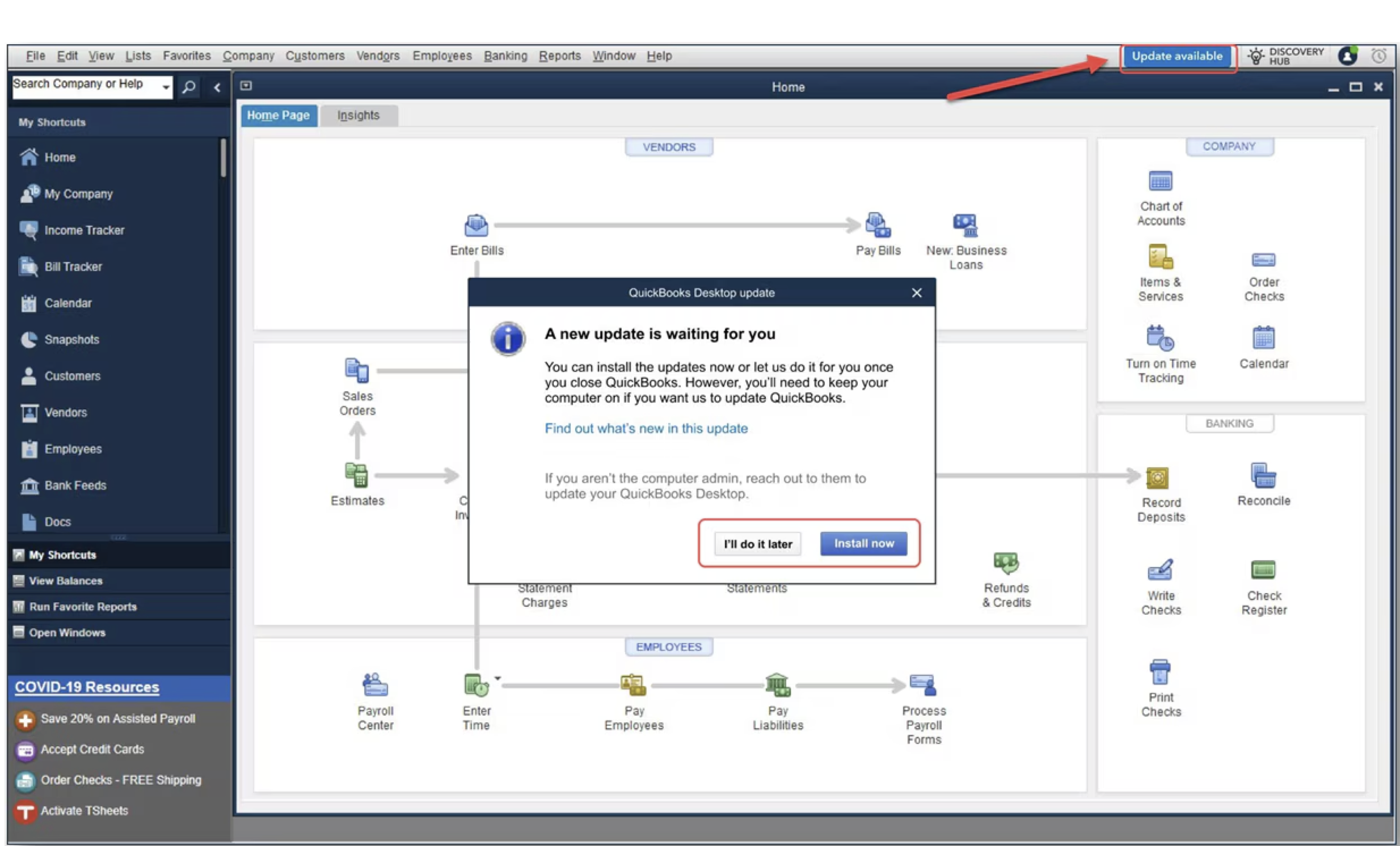
How do I update QuickBooks on a Terminal Server?
Updates should be performed by an administrator. You must ask all users to log out of QuickBooks, switch the server to Install Mode, run the update, and then switch back to Execute Mode.
Need Further Assistance?
Configuring a server for remote accounting requires a balance of security and accessibility. If your team is struggling with “File in Use” errors or slow RDP performance, let the experts at QuickFix Bookkeeping audit your setup.